



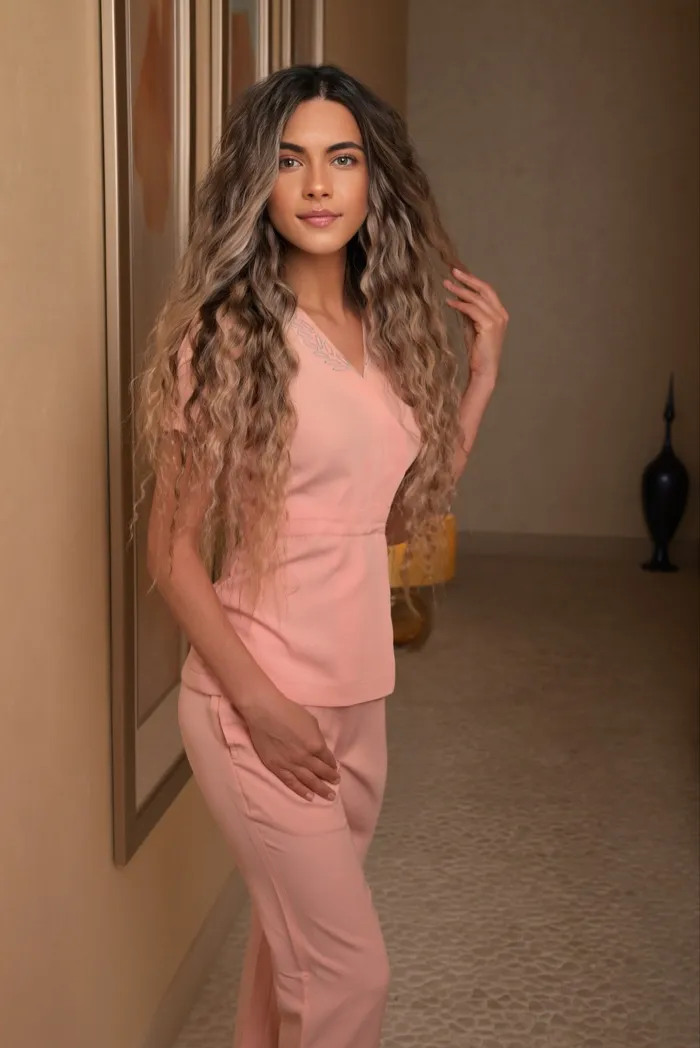
Deep Tissue Massage
Firm, targeted pressure that reaches the deepest layers of muscle.
from AED 750
European Luxury Massage Spa · Al Forsan
There is a category of physical problem that conventional massage addresses only partially: the stiffness that is not in the muscle tissue itself but in the connective structures — the tendons, ligaments, joint capsules, and fascia — that limit range of motion over time. Deep tissue massage releases muscle tension. Stretching massage addresses the structural restriction that muscle tension leaves behind.
Fazaa cardholders enjoy 15% off all treatments
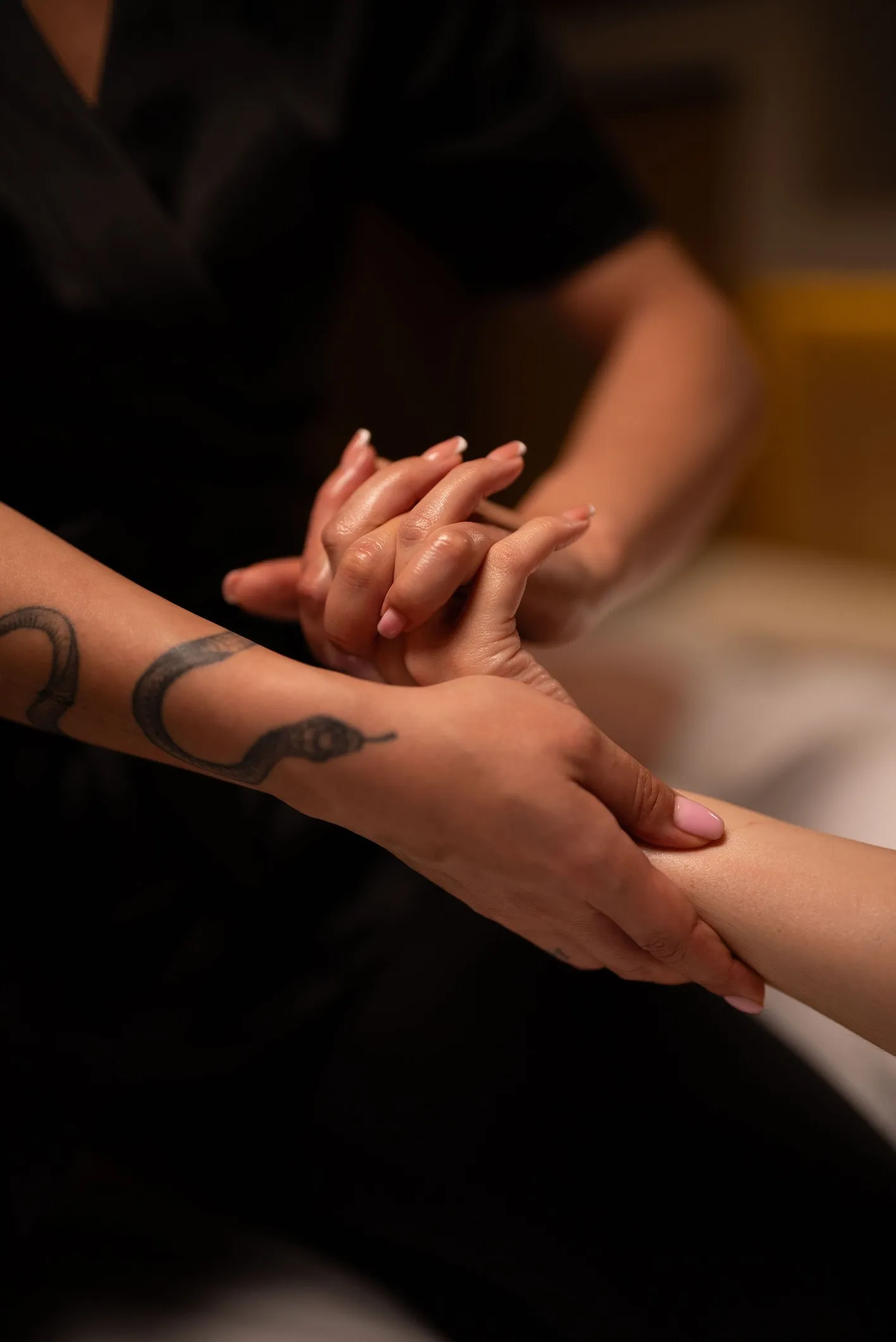
Stretching massage is performed with the client clothed in comfortable, loose-fitting clothing on a floor mat or wide treatment table. The therapist moves the client's body through a progressive series of assisted stretches — deeper than the client could safely reach independently — combined with compression and acupressure at the points of greatest restriction.
The session works the full kinetic chain: hips, spine, shoulders, hamstrings, and the posterior chain from heel to occiput. For clients who spend long hours seated — at desks, in cars, on flights — the cumulative postural adaptations that develop over months and years are specifically what stretching massage is designed to reverse.
At Doral Spa in Al Forsan, the therapist conducts a brief mobility assessment before the session to identify the primary restriction patterns and prioritise accordingly.
Desk workers and remote professionals
whose posture has adapted to prolonged sitting — forward head, rounded shoulders, tight hip flexors, shortened hamstrings
Frequent travellers and long-haul passengers
— spinal compression and full-body stiffness after long-haul flights is specifically addressed by the decompression and hip-release sequences
Athletes in training
— regular stretching massage maintains the mobility that intensive training progressively reduces; prevents injury by keeping the kinetic chain functional under load
Clients over 40
who notice that their range of motion is reducing year on year — regular assisted stretching is the most evidence-based method for slowing and reversing this decline
Anyone who has tried self-stretching routinely
and found that their flexibility is not improving — the PNF technique and passive depth achievable with a therapist produces results that solo practice cannot match
Meet the Team
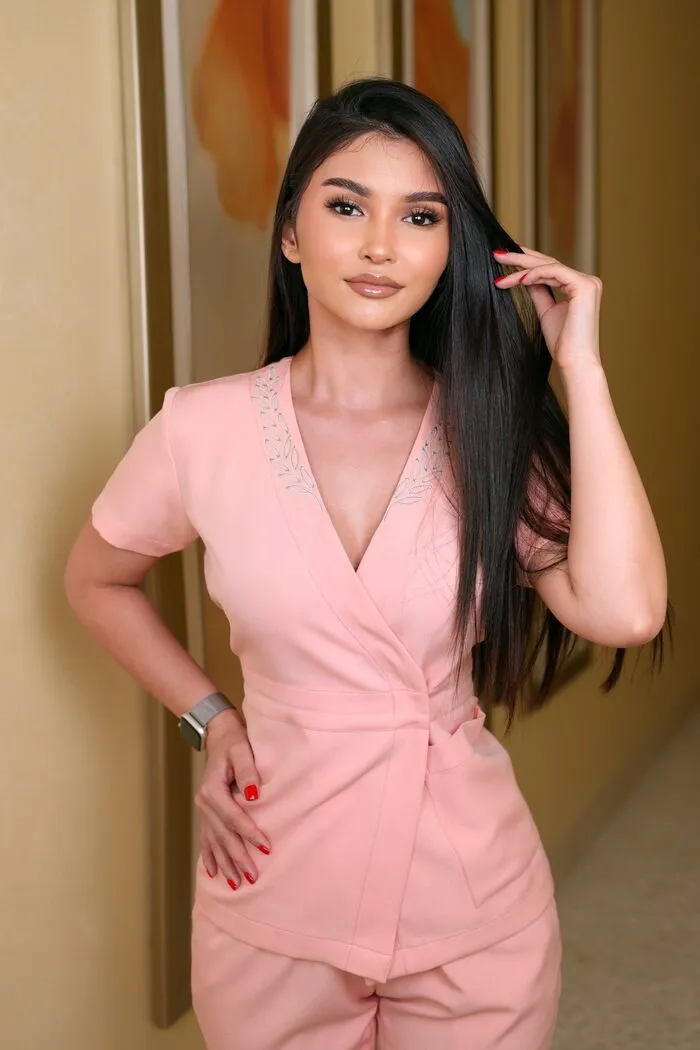
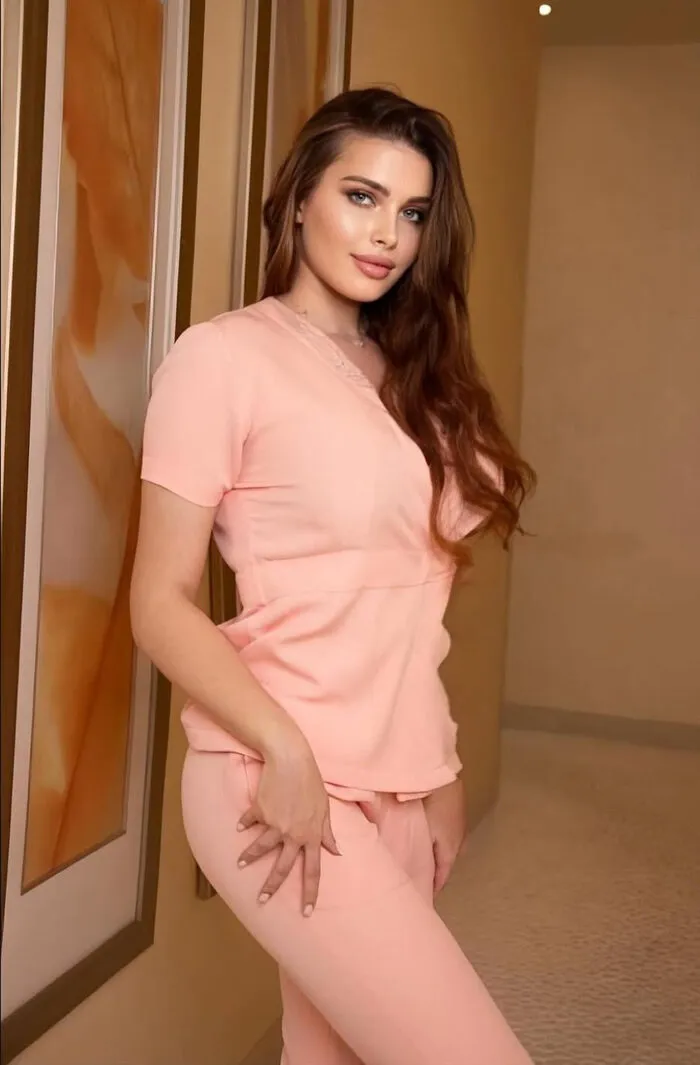
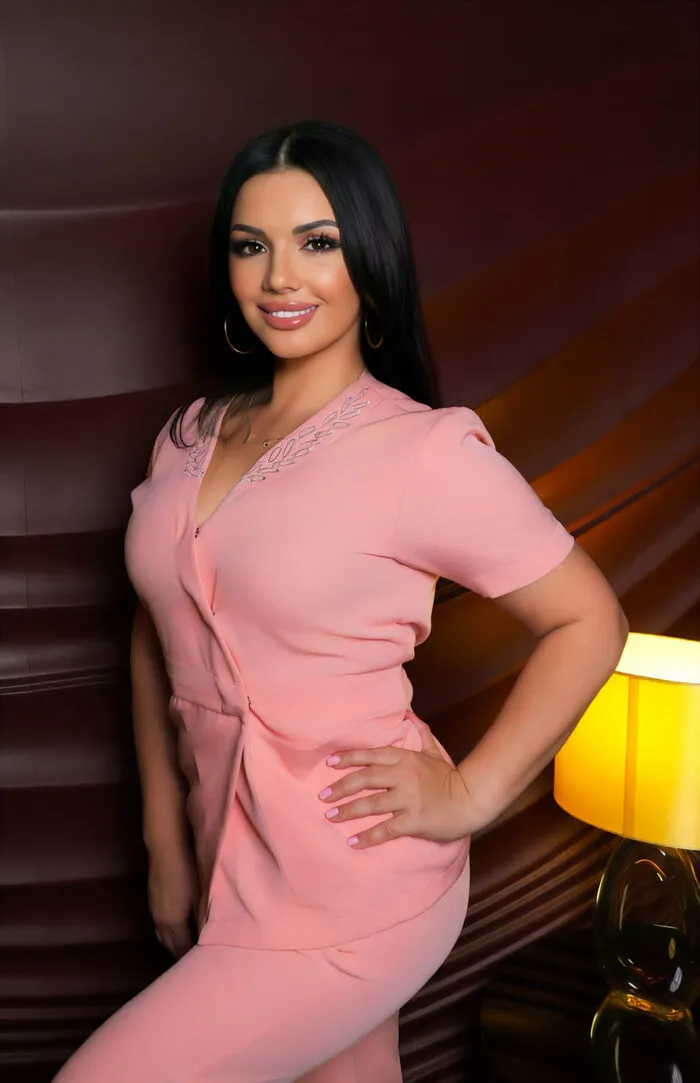
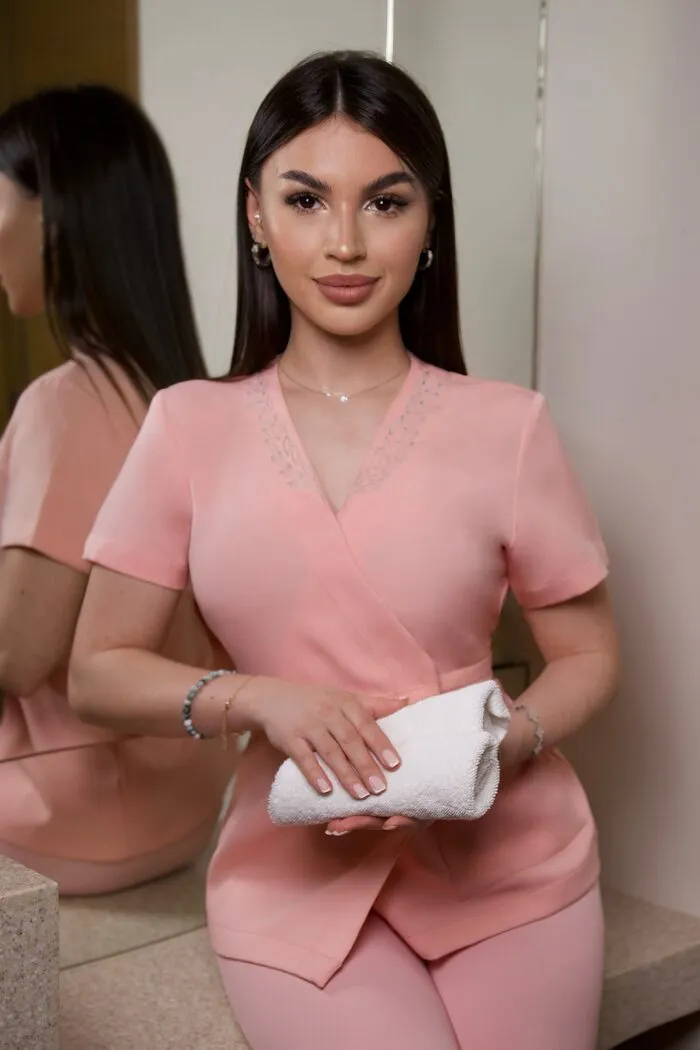
We pride ourselves on being the best of the best — and our team encapsulates that.
Good to Know
Stretching massage draws on the assisted-stretch principles of traditional Thai massage but is not a Thai massage session in the full traditional sense. Thai massage follows a fixed sequence along Sen energy lines. Stretching massage at Doral Spa is assessment-led — the therapist addresses the specific mobility restrictions identified in your intake, rather than following a fixed protocol.
The opposite is true. Stretching massage is most beneficial for clients who lack flexibility. You do not need to be able to touch your toes — the therapist works from wherever your range of motion currently is and safely extends beyond it.
Many cases of lower back pain have a significant mobility-restriction component — tight hip flexors, hamstrings, and thoracic spine all increase lumbar load. Stretching massage addresses these contributing factors. However, if you have a diagnosed spinal condition, inform the therapist at booking so they can adapt the session appropriately.
Stretching massage works well as a stand-alone session. For clients wanting both soft tissue release and mobility work, a sequence of deep tissue (to release muscle tension) followed by a stretching session (to address the structural restriction) produces the most complete result. These can be booked on the same day or on consecutive days.
No intensive training in the 2 hours before the session — the therapist needs the muscles at normal baseline tension, not fatigued. After the session, light activity is fine; avoid maximal-intensity training for the rest of the day.
Explore More
Firm, targeted pressure that reaches the deepest layers of muscle.
from AED 750
Warm bamboo rolls knead deep tension from tired, overworked muscles.
from AED 650
Flowing barefoot Hawaiian technique — rhythmic, enveloping, meditative.
from AED 845
Make it a full day with our VIP spa packages, or visit us in Al Forsan and Khalifa City.
Al Forsan Street, Khalifa City A, Abu Dhabi ·
Open daily 10:00 AM – 2:30 AM.
Book in seconds — WhatsApp, Telegram or call.
Find Us